Chris Turner
Human trafficking is the uncomfortable conversation we rarely have in church settings yet its reality casts an imposing shadow in our minds, especially for those of us who have daughters.
We fear white vans harboring sexual predators patrolling our neighborhoods and supermarket parking lots, looking for vulnerable moments to snatch our children and ship them off to unimaginable horror. But we fear the wrong horror. The actual horror, the most common one facing people in Tennessee — especially in East Tennessee — is family members trafficking their children.
Let that sink in. It’s shocking.
According to expert testimony and data gathered by the Tennessee Bureau of Investigation (TBI) and other agencies fighting human trafficking, the most common way people are sex trafficked is by a parent, close relative, or someone a person trusts (81% of reported cases). When including all forms of trafficking, that number rises to 91%. Targeted abductions account for only 4%.
For clarity, human trafficking is the exploitation of people for labor or sex through manipulation, threats, or physical force, often targeting vulnerable individuals like children, the poor, or those with disabilities.
Plainly put, it’s slavery. Unbelievably, 71% of the 27.6 million people globally trafficked are women and girls.
Like most people, I’ve condemned human trafficking because of how diabolically evil it is. However, my assumption was that people were trafficked after being abducted from parking lots or while riding their bikes in suburban neighborhoods.
After seeing the announcement promoting Sunday, Jan. 11, as National Human Trafficking Awareness Day, I dug deeper, starting with the search query: “What is human trafficking?” That led me down a rabbit hole with the goal of understanding the problem’s magnitude here in Tennessee.
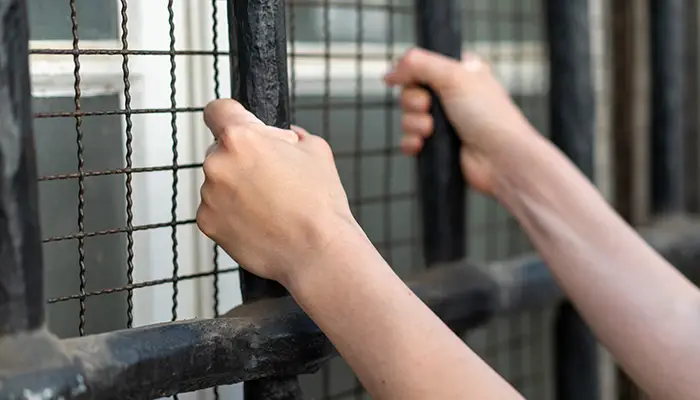 I learned that human trafficking looks completely different in each of Tennessee’s Grand Regions. In East Tennessee, contributing factors include poverty, economic desperation, family instability, substance abuse, prior victimization (domestic violence, sexual assault), and social isolation, especially in the upper end of the state.
Sadly, the Community Coalition Against Human Trafficking reports that sex trafficking is often generational, passing from grandmother to daughter to granddaughter.
While there are differences, Middle and West Tennessee share many contributing factors, such as poverty, food insecurity, homelessness, and crime. Women with drug addictions are key targets.
For example, in Nashville, traffickers recruited women addicted to drugs, let them move into houses, provided drugs to keep them addicted, and then forced commercial sex when they couldn’t pay rent.
Forced labor trafficking involves recruiting people with the promise of good wages. Many are brought to Tennessee on legitimate work visas or passports, which are then confiscated. They are made to work under threat of deportation or violence if they try to leave. These instances are rarely reported.
Human trafficking is a deeply rooted societal cancer that thrives in darkness, fueled by our unwillingness or inability to address it. Unfortunately, thinking it’s something that happens “somewhere else” is an illusion.
As believers, we do not have the luxury of ignoring it. The Bible cites many passages where God’s expectation is that we defend, rescue, and support the vulnerable, destitute, and oppressed. These actions are often directly linked to righteousness and worship.
Addressing our unwillingness to engage with human trafficking may need to begin with repentance. Beyond that, we as believers must learn where to start.
Here are several ideas to help churches get involved. These and more suggestions for faith-based communities can be found at the National Human Trafficking Hotline website (humantraffickinghotline.org).
- Educate. Discover how trafficking affects your community by learning about sex and labor trafficking. Educate your church on how to identify and respond to trafficking.
- Welcome. Cultivate a welcoming community for survivors, whether they have disclosed their history or not. For many survivors, a strong church community is critical for social and spiritual support during recovery.
- Partner. Build partnerships with and support anti-trafficking organizations. Many solid faith-based organizations operate in Tennessee.
- Volunteer. Encourage church members to volunteer their time and talents for local anti-trafficking initiatives, which need tutors, mentors, teachers, clinicians, attorneys, drivers, and more.
- Engage. Churches are especially equipped to support prevention by addressing the root causes of trafficking, such as poverty, addiction recovery, job skills training, and food insecurity.
How tragic it is that any Tennessean must live the life of a slave. As we pause Sunday to reflect on Human Trafficking Awareness Day, let’s remember that Tennessee Baptists have embraced the noble mission of ensuring every Tennessean has the opportunity to hear and respond to the gospel.
That’s what broken people need most — the gospel. To realize that mission, however, we must wade through the cesspool of human trafficking to be the beautiful feet that deliver the Good News. B&R — Editor’s note: Call the National Human Trafficking Resource Center (NHTRC) hotline at 1-888-373-7888 if you believe you have information about a potential trafficking situation.